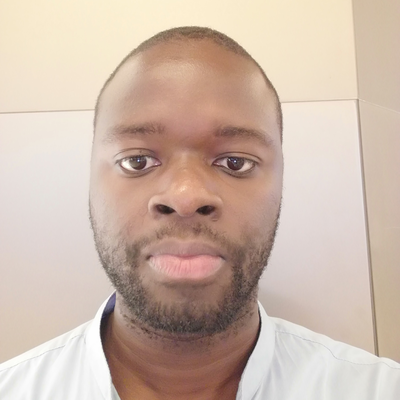


Cinthia Barroco
Científico
Sobre Cinthia Barroco:
Cinthia Alves Barroco is Ph.D. in Molecular Biology - FCT/NOVA. The main research interest is to understand the dynamics of populations of bacterial pathogens of human and animal origin, and the molecular mechanisms involved in pathogen adaptation and virulence. Research activities include Analysis of whole-genome sequences of bacteria from different niches, clinical origins, and hosts to retrieve their phylogenetic structure, accessory genes, and potential for horizontal gene transfer of phages and of another mobile genetic element that influences the pathogenicity of isolates; Study of antimicrobial resistance patterns and underlying molecular mechanisms; The study of the ability of drugs/treatment strategies using nanotechnology for to eradicate the bacterial biofilms; Investigation of mechanisms the infection mechanisms of bacteria in human cells by proteomic analysis to study and identify pathways in the host cell that respond to exposure to specific pathogens.
Experiência
I have a BSc in Molecular Biology and Genetics, and a MSc in Applied Microbiology from the Faculty of Sciences of the University of Lisbon. During the development of my master's research project, I was given the opportunity to learn and become proficient in multiple techniques, such isolation of bacteria from water, food, and food contact surfaces, bacterial typification and characterization based on phenotypic and molecular methods.
In July 2022, I concluded my Ph.D. in Molecular Biology at the Nova School of Science and Technology of the Universidade NOVA de Lisboa. My thesis, entitled "Unraveling the host specificity within Streptococcus dysgalactiae subsp. dysgalactiae," was focused on the: I) analysis of whole-genome sequences of isolates from different hosts to retrieve their phylogenetic structure and accessory genes that influence the pathogenicity of isolates; II) analysis of antimicrobial resistance patterns and underlying molecular mechanisms, horizontal gene transfer and its impact on virulence and resistance to different antimicrobials; III) study of biofilm formation in vivo using a murine animal model; IV) assessment the ability of drugs/treatment strategies using nanotechnology for to eradicate the biofilms; V) investigating the infection mechanisms of bacteria in human cells by proteomic analysis to study the colonization and infection factors that promote pathogen to human cells and identify pathways in the host cell that respond to exposure to specific pathogens.
I find it relevant to mention that I have actively taken part in various trainings which have played an essential part in my academic development, including the course "Biomarker Discovery using proteomics Thecniques" held at Unidade de Ciências Biomoleculares Aplicadas (UCIBIO- FCT/UNL).
In my academic path, I not only conducted my research but also actively participated in the co-supervision, including six master's during the course of the Rotações Laboratoriais A of the Masters in Molecular Genetics and Biomedicine (2015 and 2016) in Departamento de Ciências da Vida, FCT-UNL; ii) four undergraduate students during the course of the Undergraduate Research Opportunities Program (UROP, 2015-2016) of B.Sc in Cell and Molecular Biology (FCT-UNL). Participation as monitors during the course of the Transferências Genéticas e Tecnologia do DNA Recombinante em Procariontes e Eucariontes of the Masters in Medical Microbiology, sixth (in 2014) and seventh edition (in 2016), Departamento de Ciências da Vida, FCT-UNL. During the time that contributed to the training of students, I was able to transmit the knowledge acquired during my academic journey, helping them to better understand and apply in their studies.
As a Member of the Portuguese Society of Microbiology and Technology (Association member since 2013), and member of the Portuguese Genetics Society (Since 2016), I have access to the latest research and advancements in the field into the latest developments in their field through participation in conferences organized by both societies.
I have actively participated in activities to disseminate scientific research, such as workshops and seminars, to promote the latest research findings to a wider audience. The most relevant ones are the EXPOFCT events:
i) Organization and participation of the activity "Molecular Epidemiology and Genetics of Gram-Positive Bacteria" Event participation between 2014 and 2016
ii) Participation of the activity of the Human Genetics and Cancer Therapeutics group - "Qual a melhor terapia para o cancro" (Which is the best cancer therapeutics?). Event participation between 2017 and 2022.
The research I developed during the last decade rendered thirty-five conference communications, one national scientific and fourteen international papers, of which nine were first author and one as corresponding author. In addition to conducting my own research, I have also participated in the peer review of scientific articles for journals in my field. This has allowed me to stay updated on the latest developments in my area of study and contribute to the advancement of scientific knowledge. Altogether, I find my research work to be highly rewarding by adding new perspectives on what it means to be a researcher and what the scientific world entails.
Educação
I have a BSc in Molecular Biology and Genetics, and a MSc in Applied Microbiology from the Faculty of Sciences of the University of Lisbon. During the development of my master's research project, I was given the opportunity to learn and become proficient in multiple techniques, such isolation of bacteria from water, food, and food contact surfaces, bacterial typification and characterization based on phenotypic and molecular methods.
In July 2022, I concluded my Ph.D. in Molecular Biology at the Nova School of Science and Technology of the Universidade NOVA de Lisboa. My thesis, entitled "Unraveling the host specificity within Streptococcus dysgalactiae subsp. dysgalactiae," was focused on the: I) analysis of whole-genome sequences of isolates from different hosts to retrieve their phylogenetic structure and accessory genes that influence the pathogenicity of isolates; II) analysis of antimicrobial resistance patterns and underlying molecular mechanisms, horizontal gene transfer and its impact on virulence and resistance to different antimicrobials; III) study of biofilm formation in vivo using a murine animal model; IV) assessment the ability of drugs/treatment strategies using nanotechnology for to eradicate the biofilms; V) investigating the infection mechanisms of bacteria in human cells by proteomic analysis to study the colonization and infection factors that promote pathogen to human cells and identify pathways in the host cell that respond to exposure to specific pathogens.
Profissionais do mesmo Científico setor que Cinthia Barroco
Profissionais de diferentes setores próximos Charneca de Caparica, Almada
Tatiana Fernandes
Chamo-me Tatiana e tenho 34 anos. Resido actualmente no Montijo. Tenho bastante experiência em atendimento ao cliente, em diversos sectores de trabalho, inclusive trabalhei fora de Portugal durante 5 ...